
Description
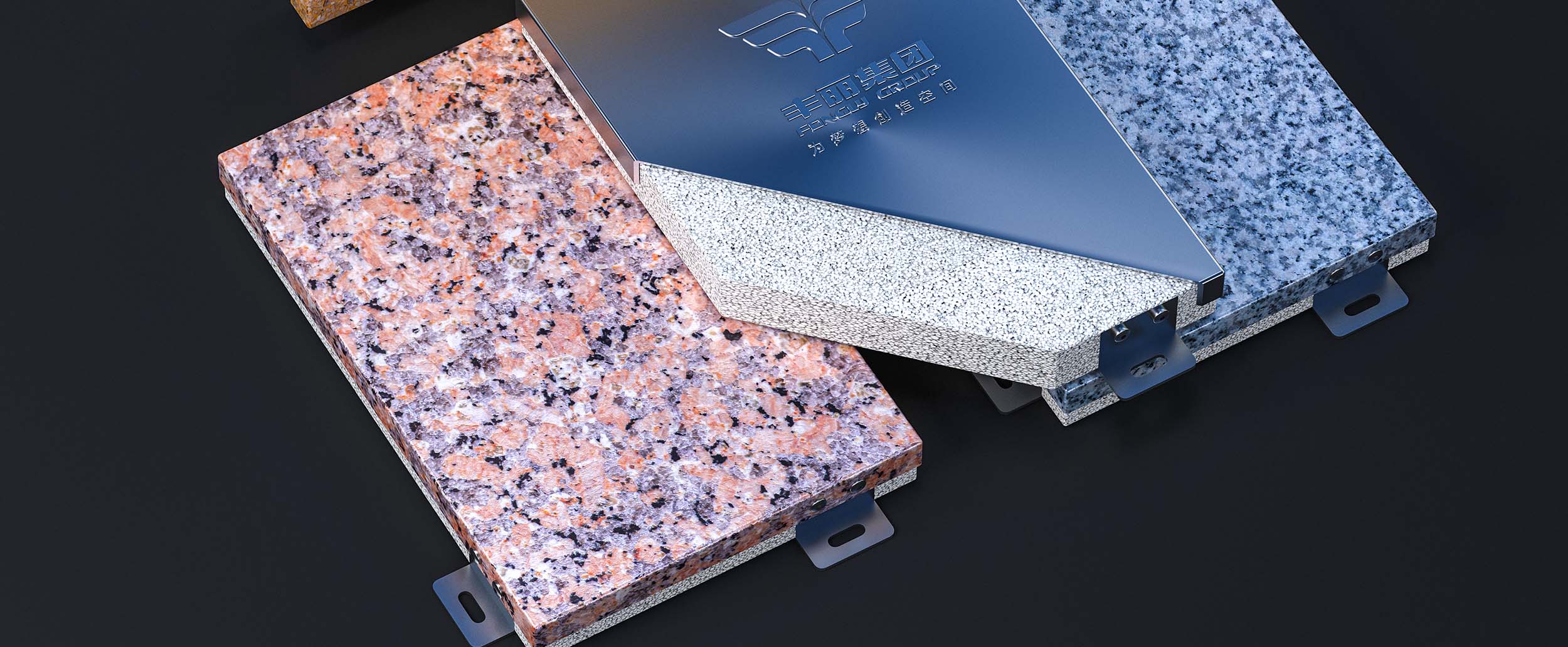
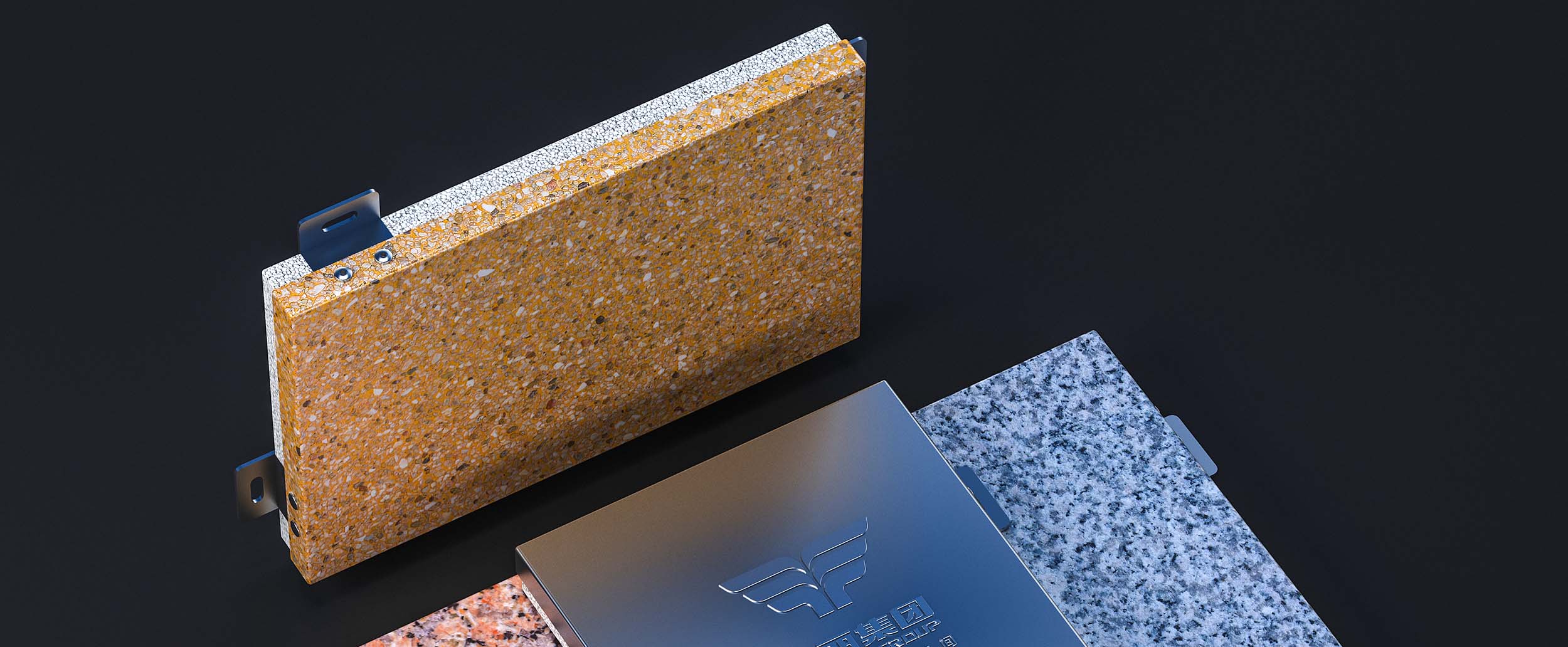
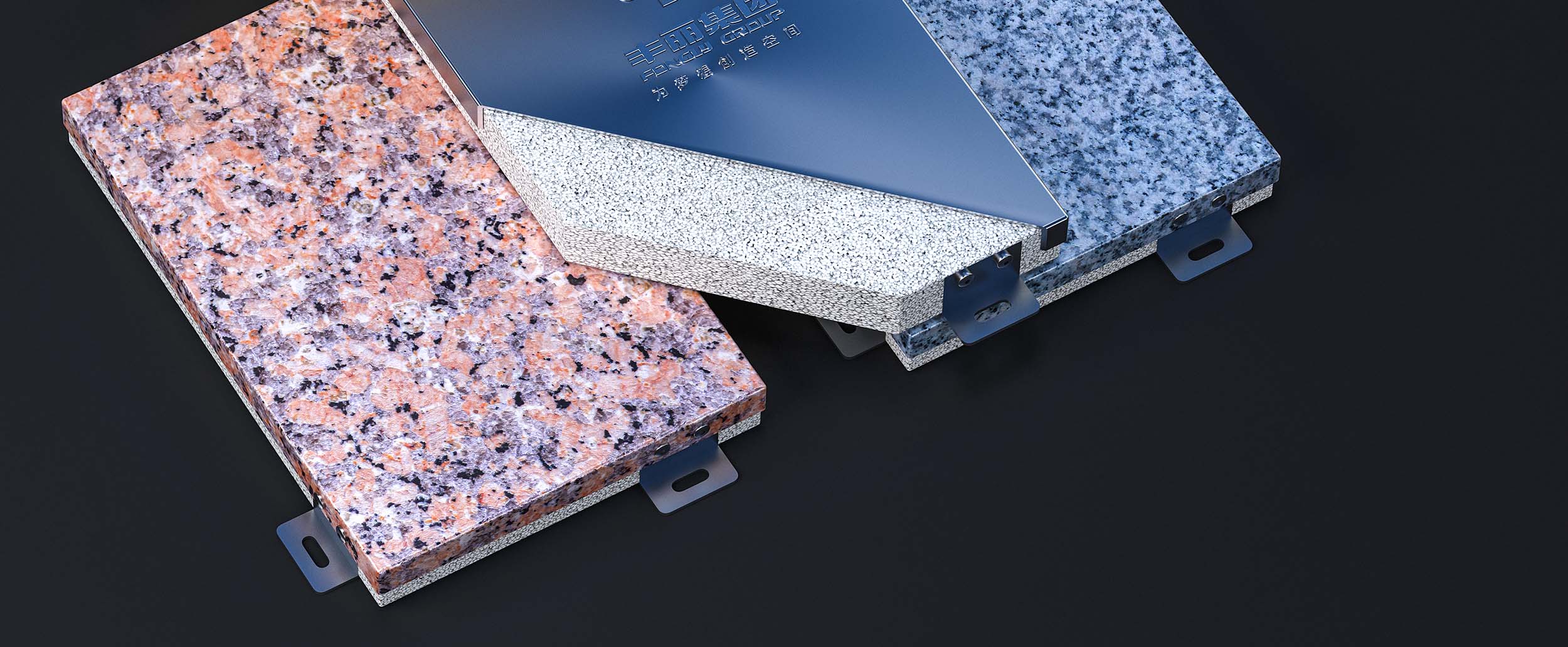
Integrated thermal insulation and decoration panels, as an important innovation in modern building exterior wall energy-saving and decoration technology, integrate multiple functions such as thermal insulation, waterproofing, and decoration. With their high efficiency, convenience, and aesthetics, they are widely used in various building projects.This article will give a comprehensive introduction to the integrated thermal insulation and decoration board from the aspects of thermal insulation layer, substrate, decorative layer, adhesive layer, anchors, sealing materials, design and construction, and application scope.
I. Insulation layer
The thermal insulation layer is the core component of the integrated thermal insulation and decoration board. Its main function is to provide excellent thermal insulation performance and reduce building energy consumption.Commonly used insulation materials include extruded polystyrene board (XPS), polystyrene board (EPS), rock wool board, vacuum insulation board, etc.These materials have the characteristics of low thermal conductivity, low density, high strength, water resistance and moisture resistance, and can effectively isolate the influence of hot and cold air on the indoor environment, thereby achieving the goal of energy conservation and emission reduction.
2. Substrate
The substrate, as a transition layer between the thermal insulation layer and the decorative layer, mainly plays a supporting and connecting role.Commonly used substrate materials include inorganic plates (such as calcium silicate plates and fiber cement plates) and metal plates (such as aluminum plates and galvanized plates).The substrate needs to have good strength, stability, and flatness to ensure the overall performance and decorative effect of the integrated thermal insulation and decoration panel.
III. Decorative Layer
The decorative layer is the exposed part of the integrated thermal insulation and decoration panel, which directly affects the aesthetics and durability of the building.The decorative layer materials are diverse, including natural stone, stone-like coatings, fluorocarbon paint, stone paint, etc.These materials, through simulation technology or natural textures, can present a rich variety of colors, textures, and textures to meet different architectural styles and design requirements.
IV. Adhesive Layer
The adhesive layer is the key layer connecting the integrated thermal insulation and decoration panel with the base wall, and its performance directly affects the adhesion and safety of the panel.High-quality adhesives should have good bonding strength, weather resistance, water resistance, and ease of construction to ensure that the boards can be firmly adhered to the base wall and prevent peeling and hollowing out.
V. Anchors
Anchors, as auxiliary fixing measures for integrated thermal insulation and decoration panels, are mainly used to enhance the connection strength between the panels and the base wall and improve the safety and stability of the overall system.Anchors are usually made of stainless steel or hot-dip galvanized materials, which have the characteristics of corrosion resistance and aging resistance.During construction, anchoring points should be set reasonably according to the weight and size of the boards and the conditions of the base wall to ensure the anchoring effect.
VI. Sealing Materials
Sealing materials are used to insulate the gaps between the integrated decorative panels to prevent external factors such as rain and wind pressure from damaging the system, while improving the overall airtightness and watertightness of the system.Commonly used sealing materials include weather-resistant silicone sealants, polyurethane foaming agents, etc.These materials need to have good elasticity, adhesion, and weather resistance to ensure the long-term effectiveness of the sealing effect.
VII. Design and Construction
The design and construction of integrated thermal insulation and decoration panels must comply with relevant standards and specifications to ensure the safety, reliability and durability of the system.During the design phase, the type of boards, the thickness of insulation materials, and the construction plan must be reasonably selected based on factors such as the building's function, climate conditions, and appearance requirements.During the construction phase, it is necessary to strictly control the construction quality and progress to ensure the smooth progress and acceptance of each process.
VIII. Application Scope
Thermal insulation and decoration integrated boards are favored by the market for their excellent performance and wide range of applications.It can be widely used in exterior wall insulation decoration of newly built buildings and energy-saving renovation projects of existing buildings, such as residences, office buildings, commercial complexes, public buildings, etc.At the same time, as people's demands for environmental protection and energy conservation continue to increase, the application prospects of integrated insulation and decoration boards in the fields of green building and sustainable development will also be broader.